
Interventional cardiology continues to evolve, with new catheter-based treatments being developed for conditions previously managed only with medication or surgery.
Renal Denervation
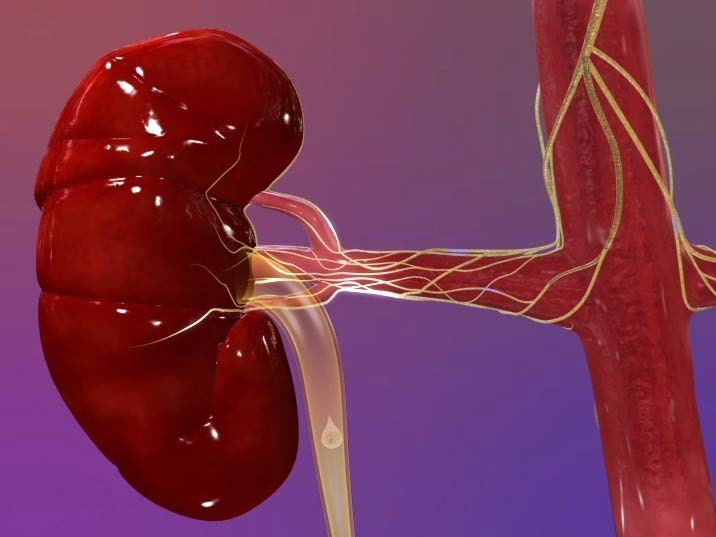
High blood pressure (hypertension) is a major risk factor for heart attack, stroke, and kidney disease. The kidney is also closely involved in the control of BP and there are nerves which go both to and from the kidneys to the brain which are part of the body’s system regulating BP. Some patients have resistant hypertension – blood pressure that remains elevated despite taking three or more medications at optimal doses.
Renal artery denervation is a novel blood pressure lowering treatment, specifically in those patients with difficult to control high blood pressure, despite multiple medications. It is based on the principle that nerves that cause high blood pressure lie in the kidney artery wall, and thus interruption of these nerves might dramatically reduce blood pressure. The procedure involves passing a fine tube or catheter into the femoral artery in the groin and via X ray guidance, threading a specially designed catheter into the kidney arteries. A low energy current is then administered at several points along the artery, leading to dampening of the nerve signals that play a key critical role in causing high blood pressure.
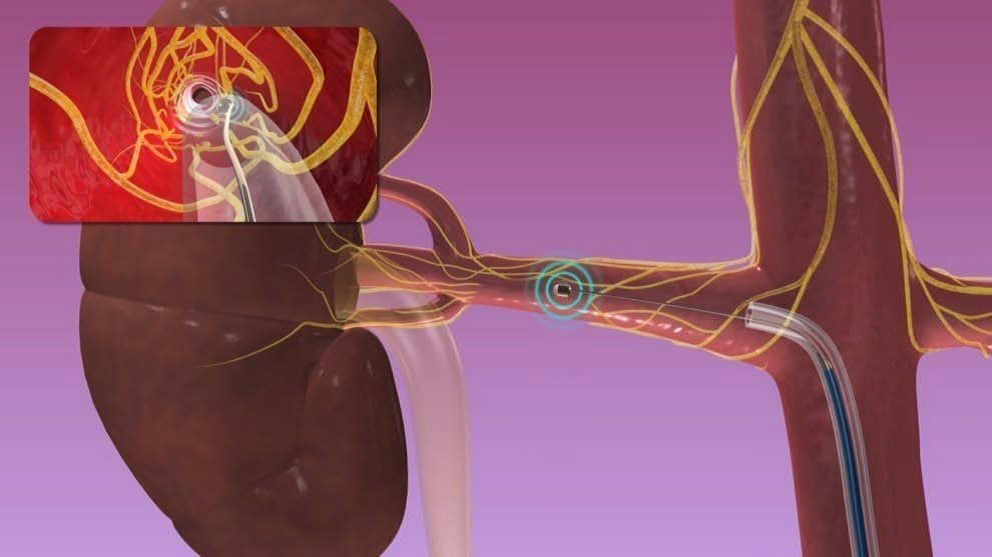
The procedure is performed in the catheterisation laboratory under sedation, typically taking about one hour. Most patients go home the following day.
Related: Hypertension